What you cook with matters just as much as what you eat.
Many everyday kitchen utensils—especially plastic and low-quality materials—can release harmful chemicals when exposed to heat. If you're looking to create a healthier, safer kitchen, switching to non-toxic cooking utensils is one of the easiest and most impactful upgrades you can make.
This guide will help you understand what “non-toxic” really means, which materials to avoid, and why wooden utensils—especially teak—are the best choice for modern kitchens.
What Are Non-Toxic Cooking Utensils?
Non-toxic cooking utensils are made from materials that do not release harmful chemicals, even when exposed to high heat, moisture, or prolonged use.
Safe utensil materials should be:
- Free from BPA, phthalates, and synthetic coatings
- Heat-resistant without breaking down
- Durable and long-lasting
- Naturally safe for food contact
Choosing non-toxic utensils helps reduce your exposure to unwanted chemicals while also improving the quality and longevity of your kitchen tools.
The Problem with Common Kitchen Utensil Materials
Plastic Utensils
Plastic utensils are widely used but come with hidden risks:
- Can melt or warp under heat
- May release chemicals into food
- Contribute to microplastic exposure
Metal Utensils
While durable, metal utensils:
- Can scratch non-stick cookware
- Conduct heat, making them uncomfortable to use
- Often lack versatility for delicate cooking
Silicone Utensils
Silicone is marketed as safe, but:
- Quality varies widely
- Lower-grade silicone may contain fillers
- Not always as durable over time
Why Wooden Utensils Are the Safest Choice
Wooden utensils have been used for generations—and for good reason.
Naturally Non-Toxic
High-quality wood contains no synthetic chemicals or coatings, making it one of the safest materials for cooking.
Heat Resistant
Wood doesn’t melt or leach chemicals, even at high cooking temperatures.
Gentle on Cookware
Perfect for non-stick pans, wooden utensils won’t scratch or damage surfaces.
Durable & Long-Lasting
With proper care, wooden utensils can last for years without degrading.
Eco-Friendly
Unlike plastic, wood is biodegradable and sustainable when sourced responsibly.
Why Teak Wood Stands Above the Rest
Not all wooden utensils are created equal.
Teak wood is considered one of the best materials for kitchen tools due to its unique properties:
- High natural oil content → resists moisture and cracking
- Exceptional durability → won’t warp or split easily
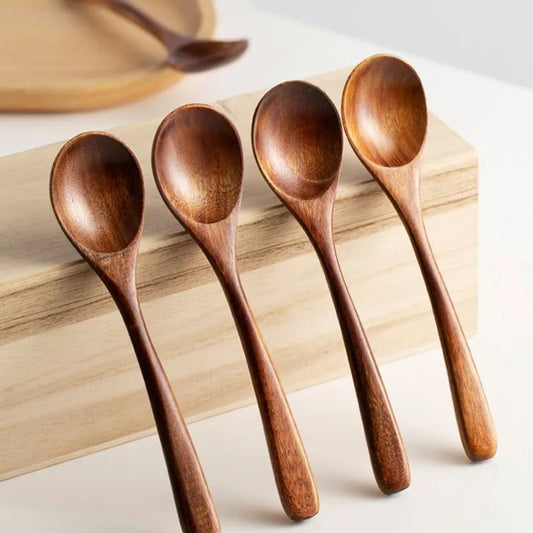
- Smooth finish → comfortable to use and easy to clean
- Naturally antibacterial properties
Compared to cheaper alternatives like bamboo, teak offers superior longevity and a more premium feel.
How to Choose High-Quality Wooden Utensils
When selecting wooden utensils, look for:
- Solid wood construction (not glued or layered)
- Food-safe finish (natural oils, no toxic coatings)
- Smooth edges and craftsmanship
- Durability and weight that feels substantial
Investing in quality upfront means fewer replacements and a better cooking experience.
Upgrade Your Kitchen with a Safer Alternative
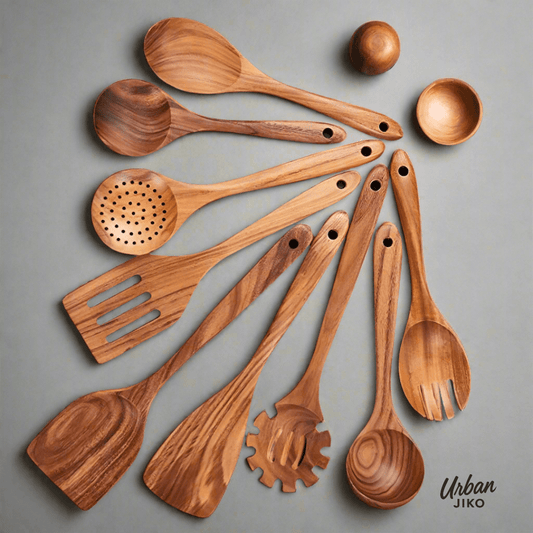
If you’re ready to switch to non-toxic cooking tools, choosing a high-quality wooden utensil set is the best place to start.
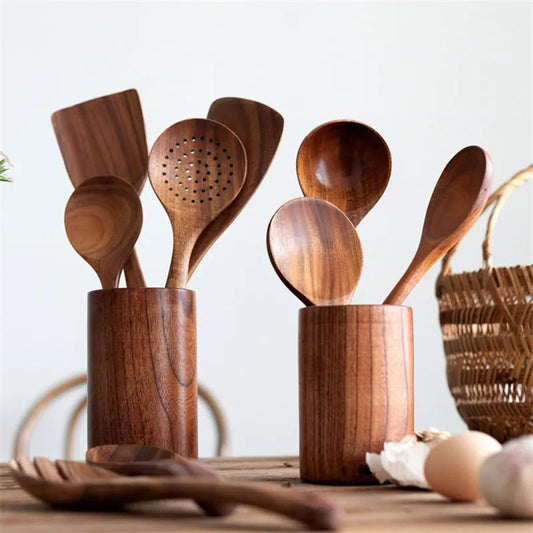
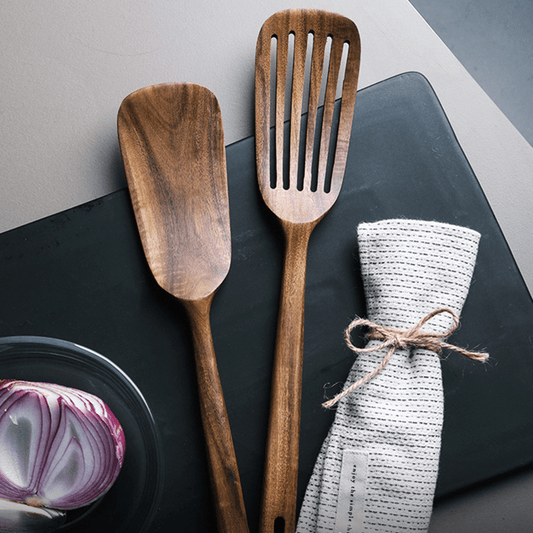
Our teak wooden utensil set is designed to combine:
- Safety (100% non-toxic materials)
- Durability (built to last for years)
- Functionality (essential tools for everyday cooking)
- A clean, modern aesthetic for your kitchen
Shop the Teak Wooden Utensil Set
Final Thoughts
Creating a non-toxic kitchen doesn’t have to be complicated.
By simply replacing plastic or low-quality utensils with well-crafted wooden alternatives, you can:
- Reduce chemical exposure
- Improve your cooking experience
- Invest in tools that last longer
Small changes lead to a healthier home—and it starts with what you cook with.